
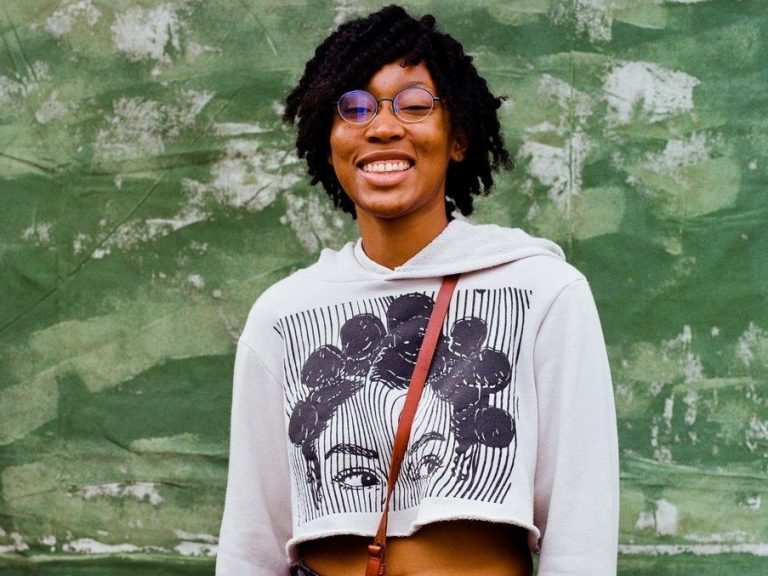
In an era when access to information feels increasingly politicized, Jazz Peck (they/them) is doing something both simple and quietly radical: They’re building a library.
Not metaphorically. Not just digitally. A literal, living, breathing community library built from donated books, cataloged by hand, and circulated face-to-face.
It’s called The Hamilton Library. And like many of the best community projects, it began with a box of books and a moment that felt almost fated.
Jazz, a writer by trade and a lifelong book lover, was working as a bookseller when someone offered them a collection that had nowhere to go. They agreed to take the books home and sort through them. What they discovered surprised them: nearly every title centered on the intersection of arts, culture and social justice.
“I am constantly trying to find ways to expand access to information, art, literature,” Jazz explains. The books arrived on Red Books Day — the anniversary of the publication of The Communist Manifesto. It felt symbolic. When Jazz noticed the original owner’s name written inside several copies, they decided to reach out.
That name was Dr. Cynthia Hamilton.
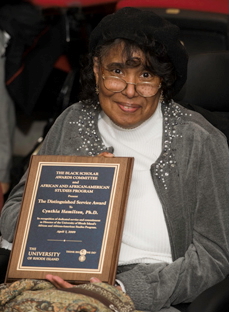
Dr. Hamilton is a retired professor and longtime political organizer who studied under C.L.R. James, the Trinidadian historian best known for The Black Jacobins. She grew up in South Los Angeles and came of age during the late-1960s wave of Black student organizing. Her life’s work centered on Black liberation and environmental justice. When Jazz spoke with her about the books and the possibility of creating a public-facing project around them, the alignment was immediate.
Jazz asked if they could name the library after her. She said yes.
That yes became The Hamilton Library.
Today, the library operates as an independent, community-run lending collection focused on political, cultural, and social justice texts. It is not attached to a government institution. It is not a traditional nonprofit. It exists somewhere in between archive, organizing space, and neighborhood ritual.
Jazz cataloged more than 200 titles using a subscription-based app called Libib. Anyone can browse the collection online, reserve a book and pick it up on the last Sunday of the month at a partner organization that focuses on youth homelessness. Books are returned the same way — in person, face-to-face.
The logistics are simple by design. The gathering is the point.
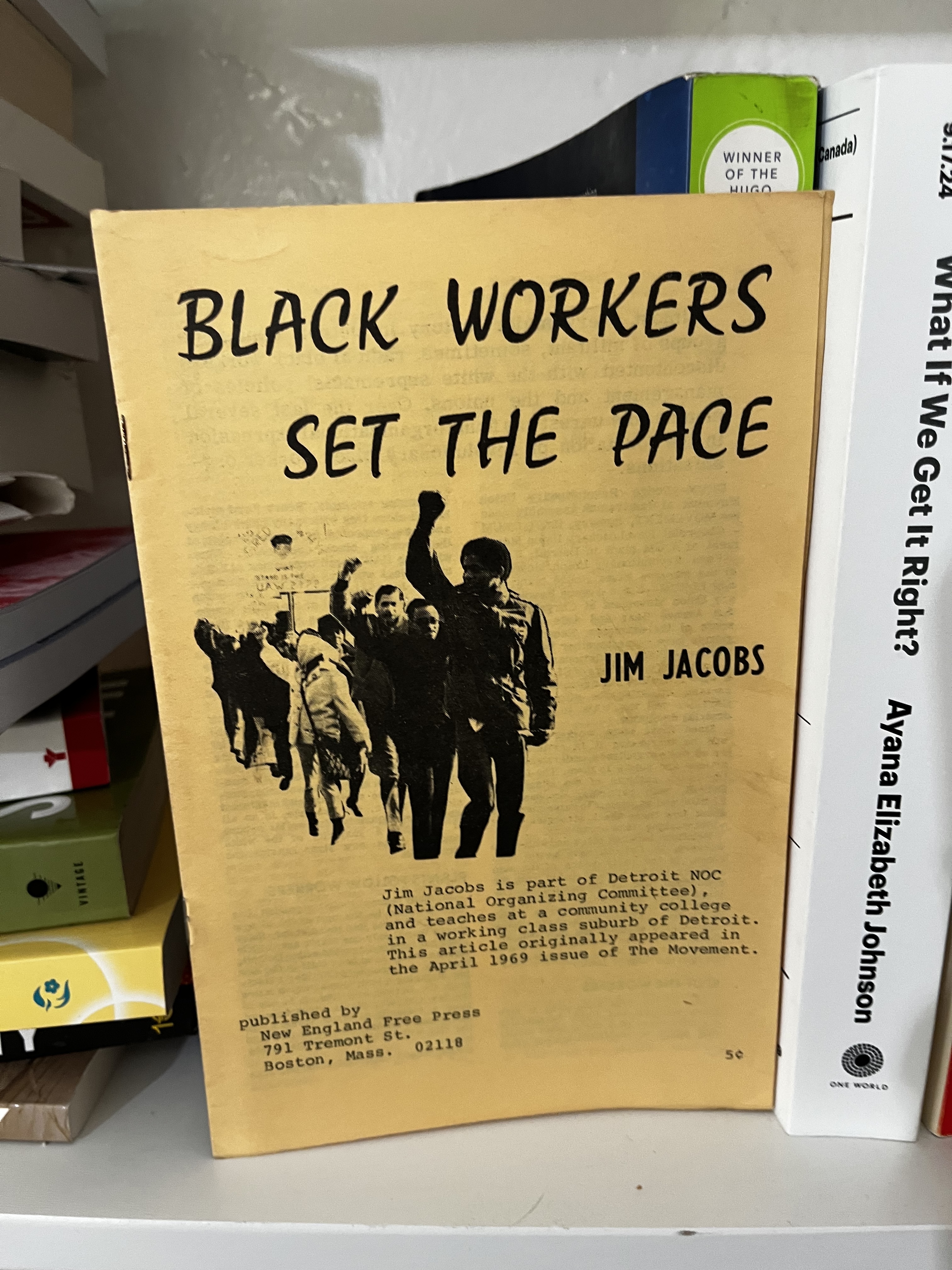
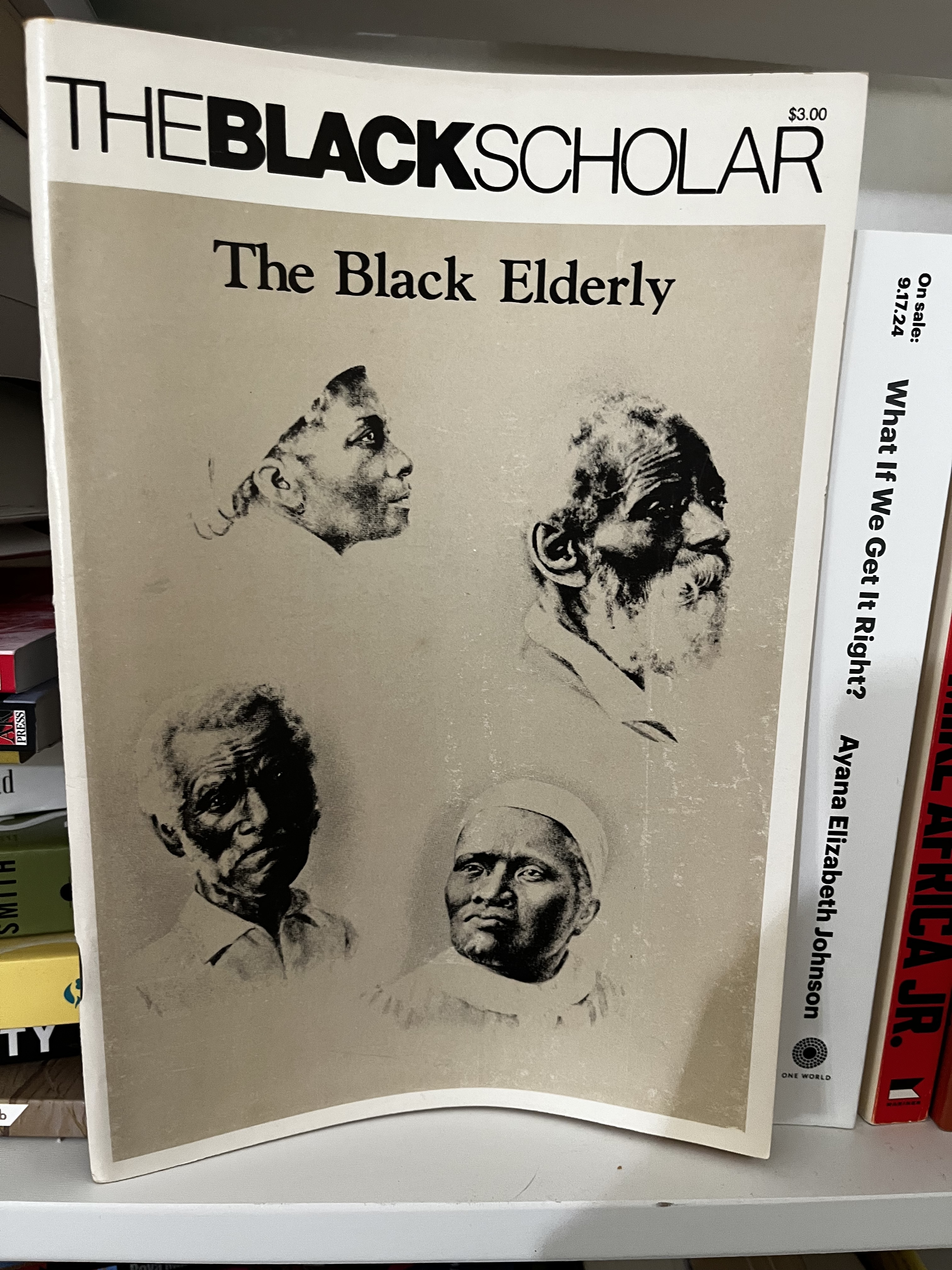
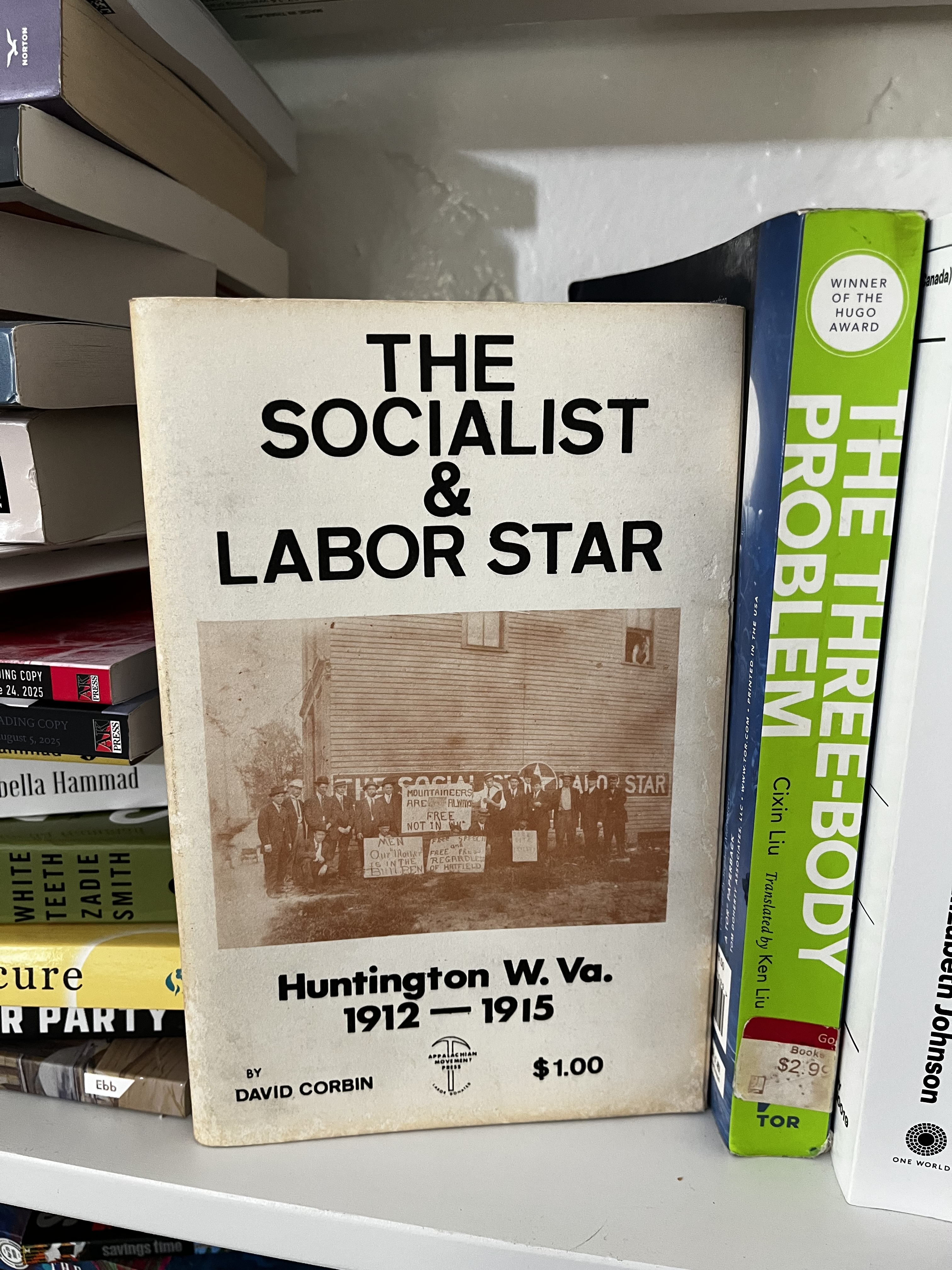
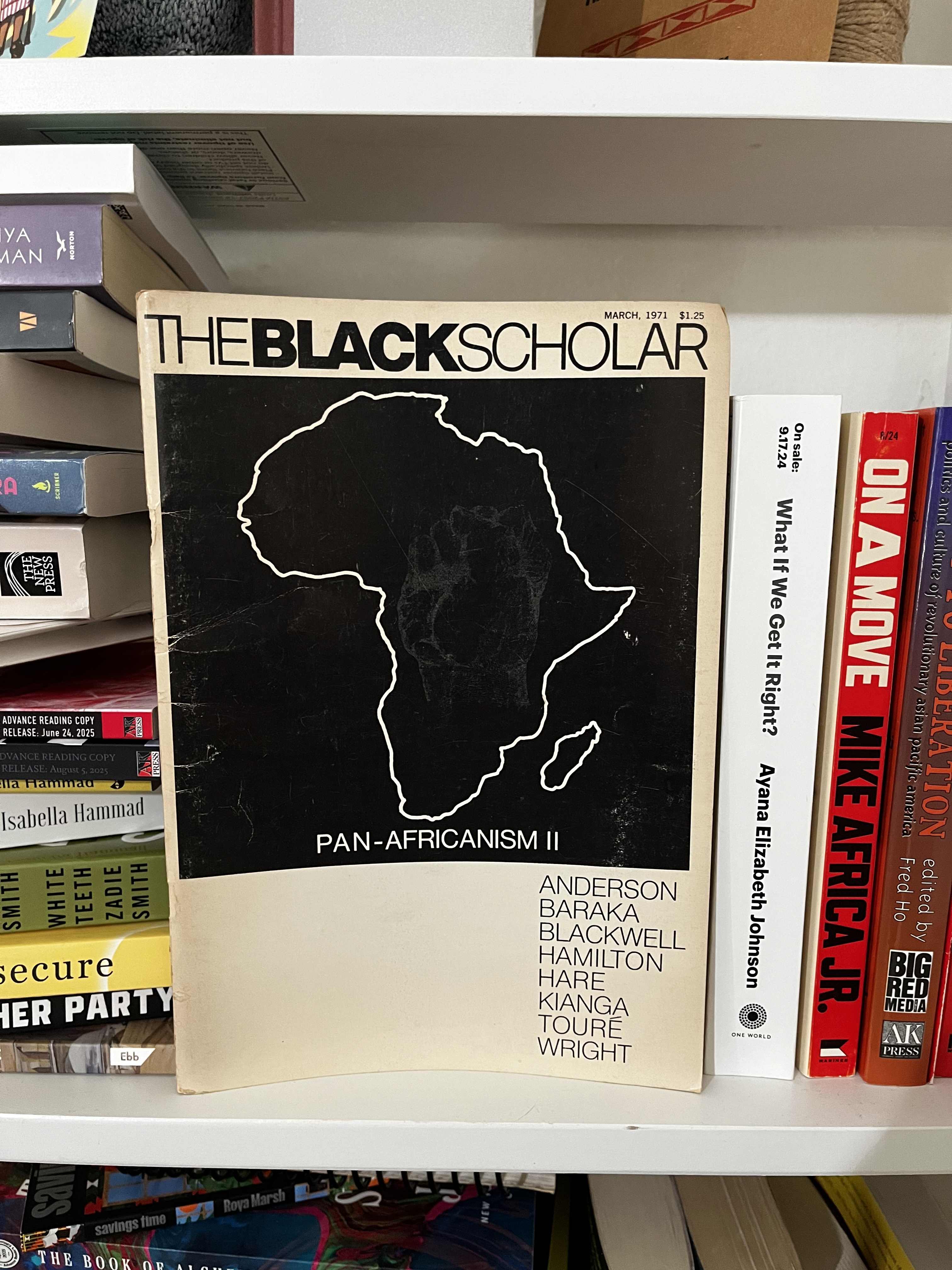
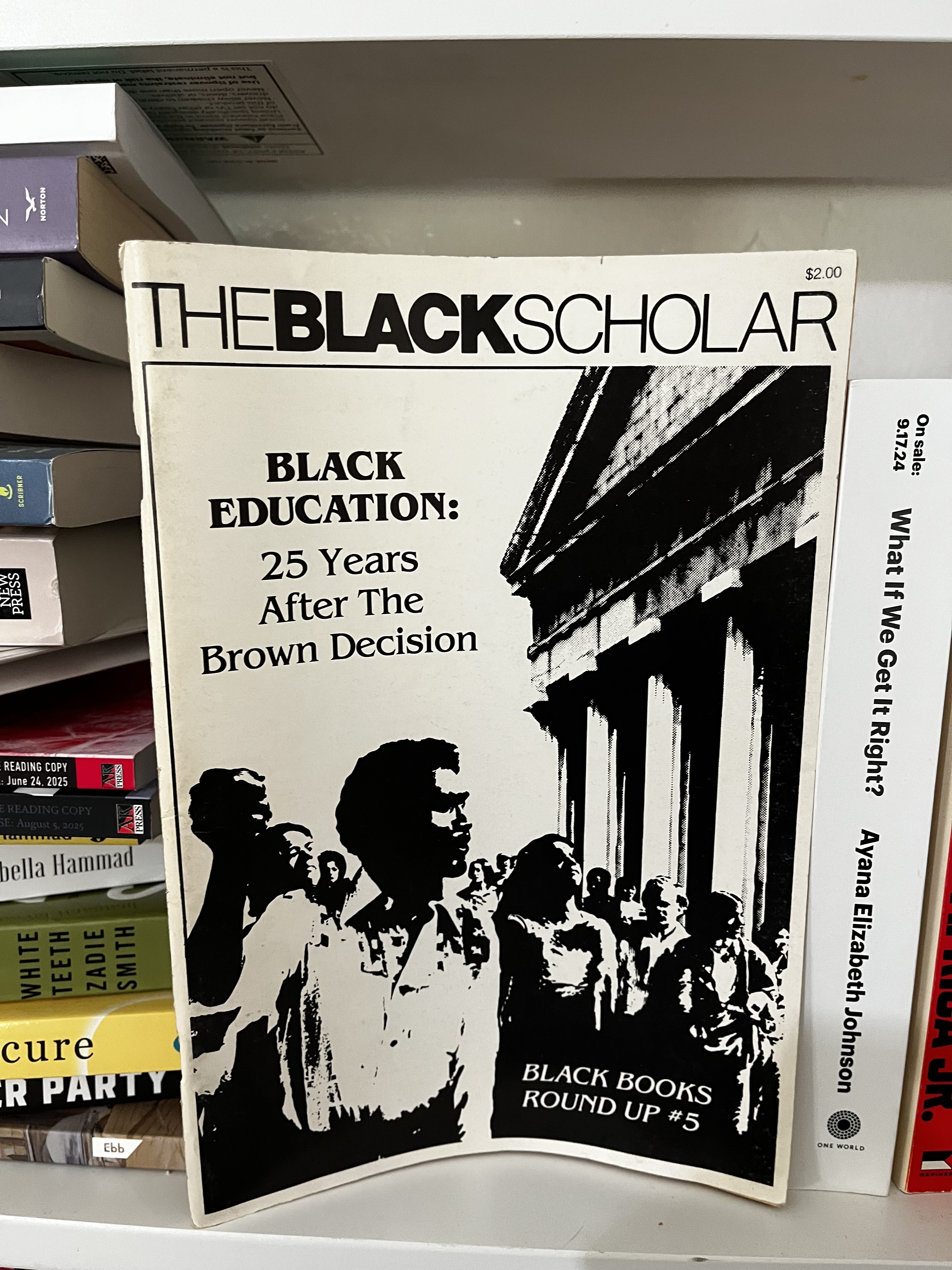
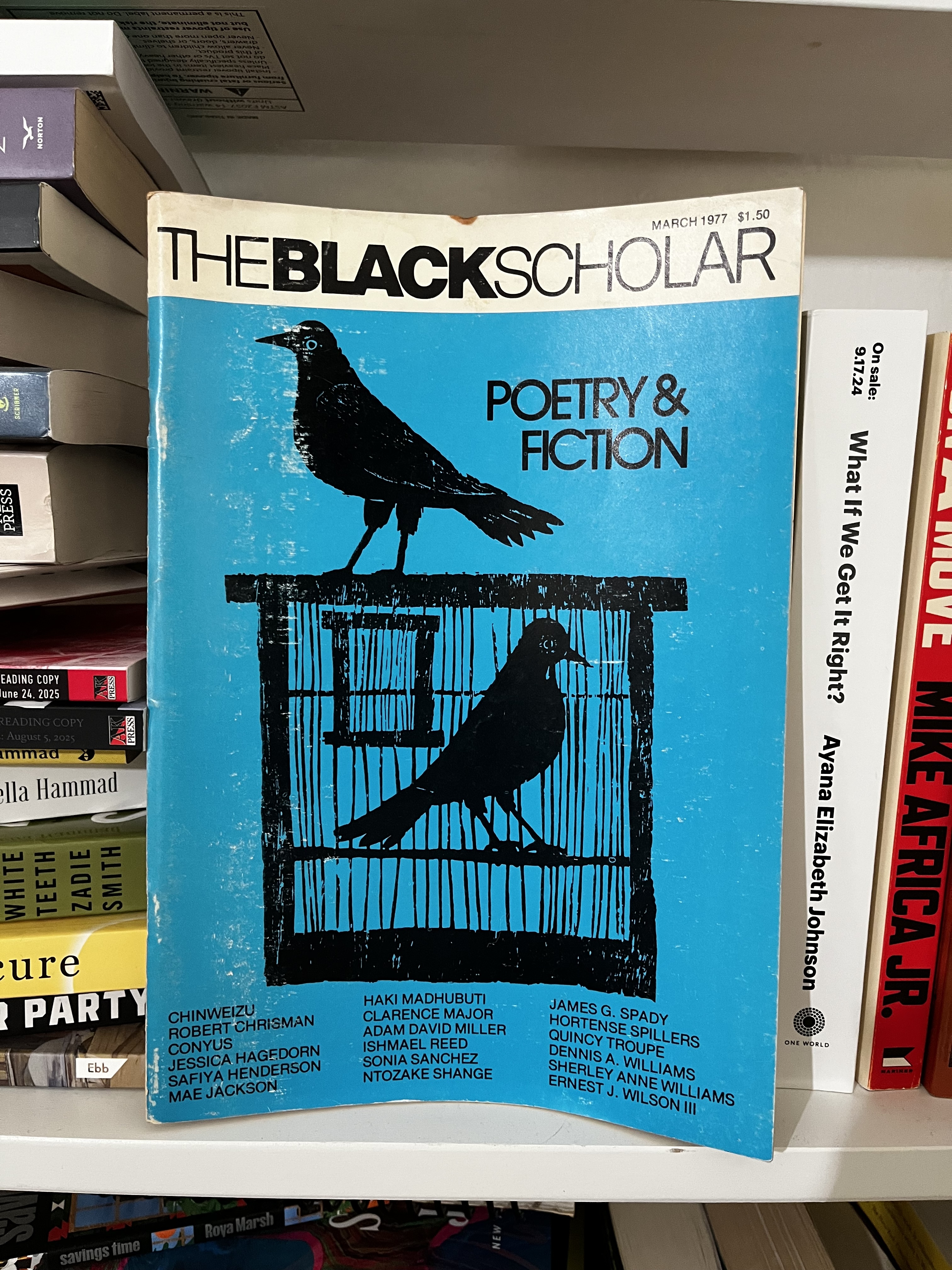
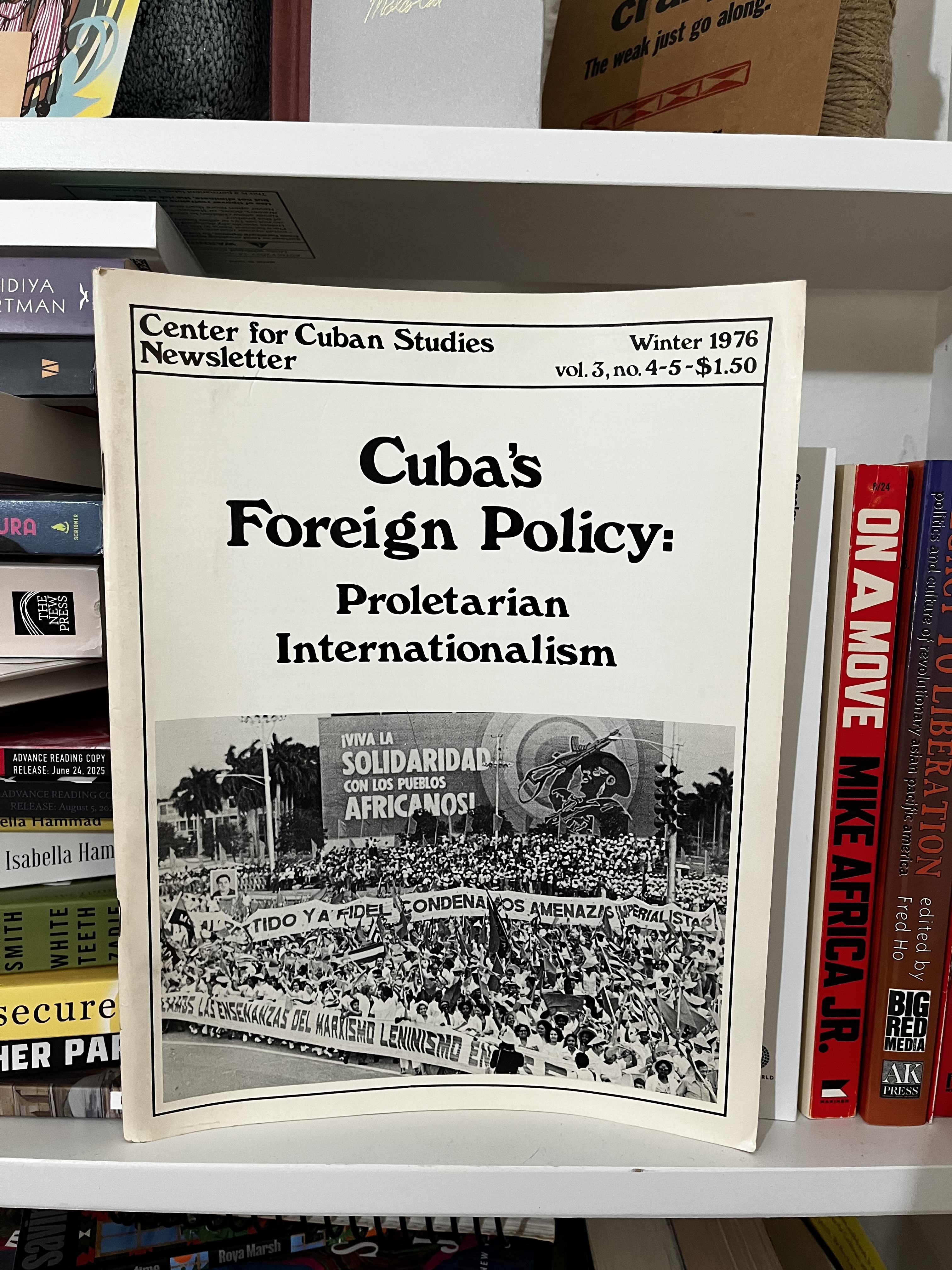
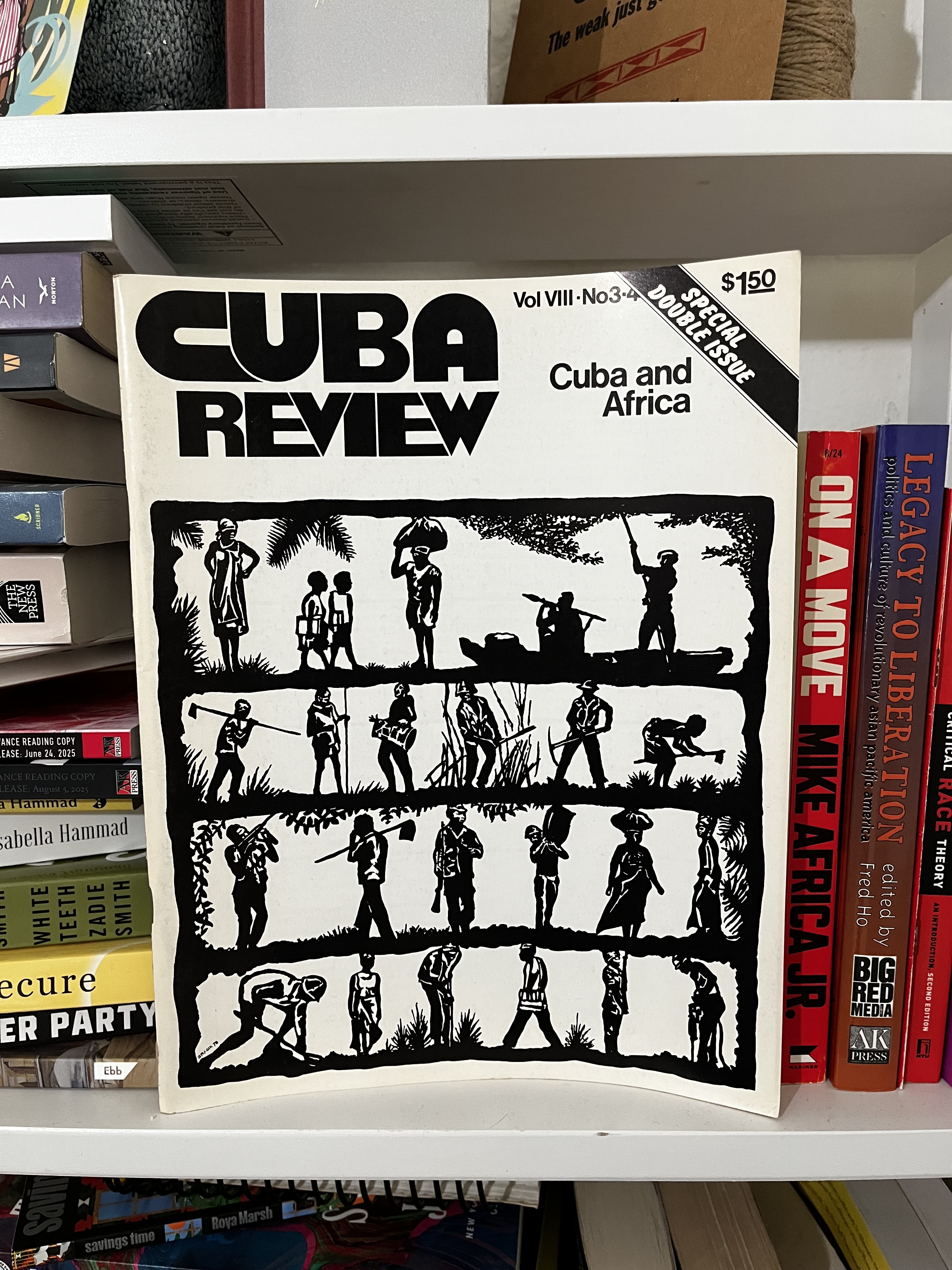
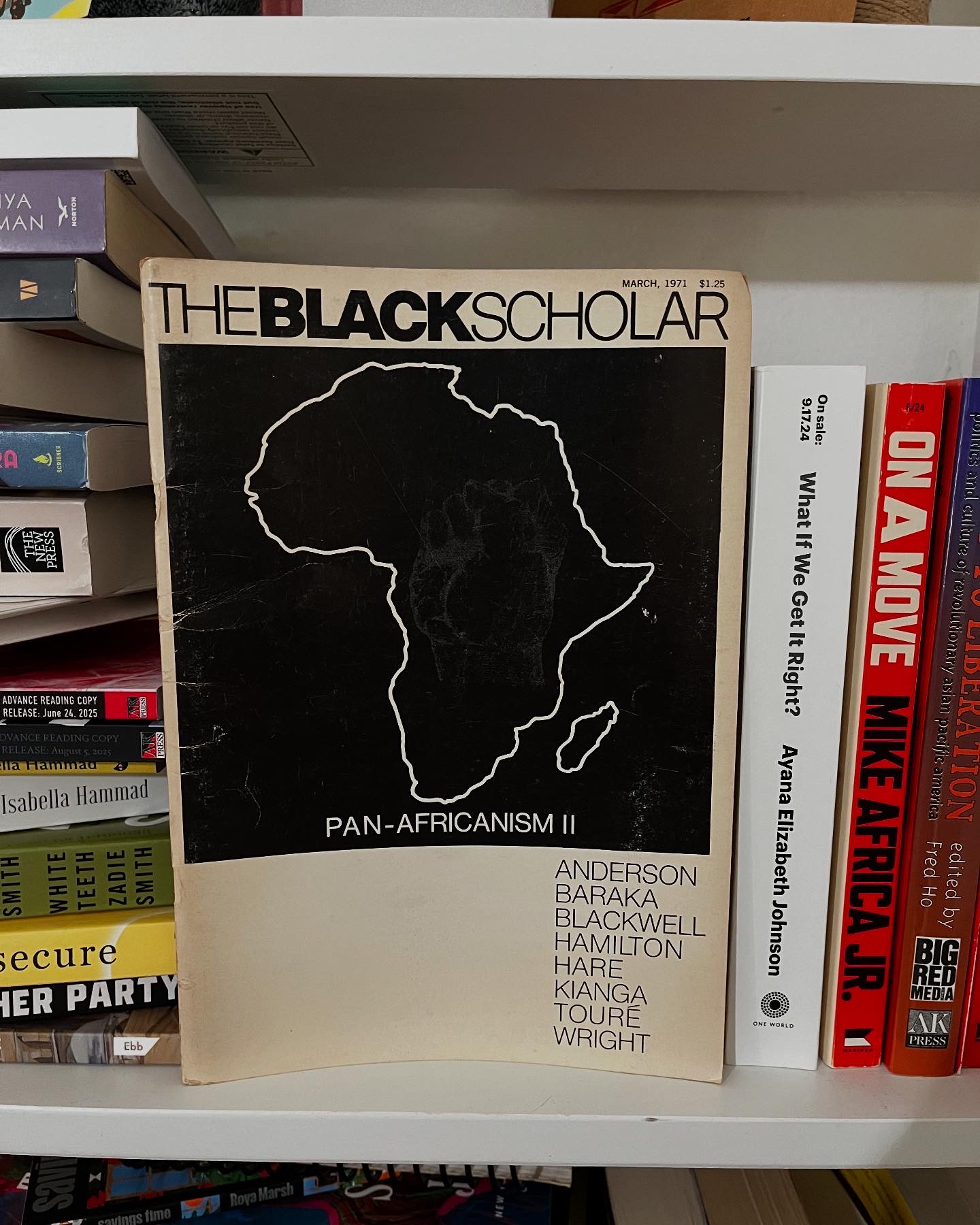
On those Sundays, Jazz also brings archival materials — magazines, newsletters and publications from the late 1960s and ’70s — and lays them out for people to read onsite. Some of the rarest books in the collection never leave Jazz’s sight. First-edition Marcus Garvey prints and aging volumes on Frederick Douglass require preservation work before they can be more widely shared. Those are handled like heirlooms.
The circulating books, however, operate largely on trust.
If someone keeps a book longer than expected, there’s a gentle reminder and a modest late fee listed on a Google form. But Jazz isn’t running a surveillance system. They are running a community experiment. If a copy of Discourse on Colonialism walks away because someone is building lesson plans or organizing from it, Jazz hopes it finds its way back. And if it doesn’t, they trust the larger arc of things.
That decision to remain independent is intentional. When asked why they didn’t simply donate the books to a public library, Jazz points to the current political climate. Public libraries are invaluable institutions, but they are not immune to the pressures of shifting administrations and cultural backlash. In recent years, books related to race, gender, and sexuality have faced bans and removals across the country.
For a collection rooted in Black liberation, queer thought, and progressive politics, institutional vulnerability feels risky.
“I feel like they’re safer in an organizing space dedicated to that work,” Jazz says.
The Hamilton Library becomes, in that sense, preservation as practice.
It is also more than a lending system. Jazz hosts events inspired by the texts themselves. One recurring gathering, Sister Love, draws from the book of letters between Audre Lorde and Pat Parker. Participants — particularly Black women and gender-expansive people — are invited to write letters of appreciation and solidarity in the spirit of that correspondence. Reading the book is not required. Being in proximity to its ideas is enough.
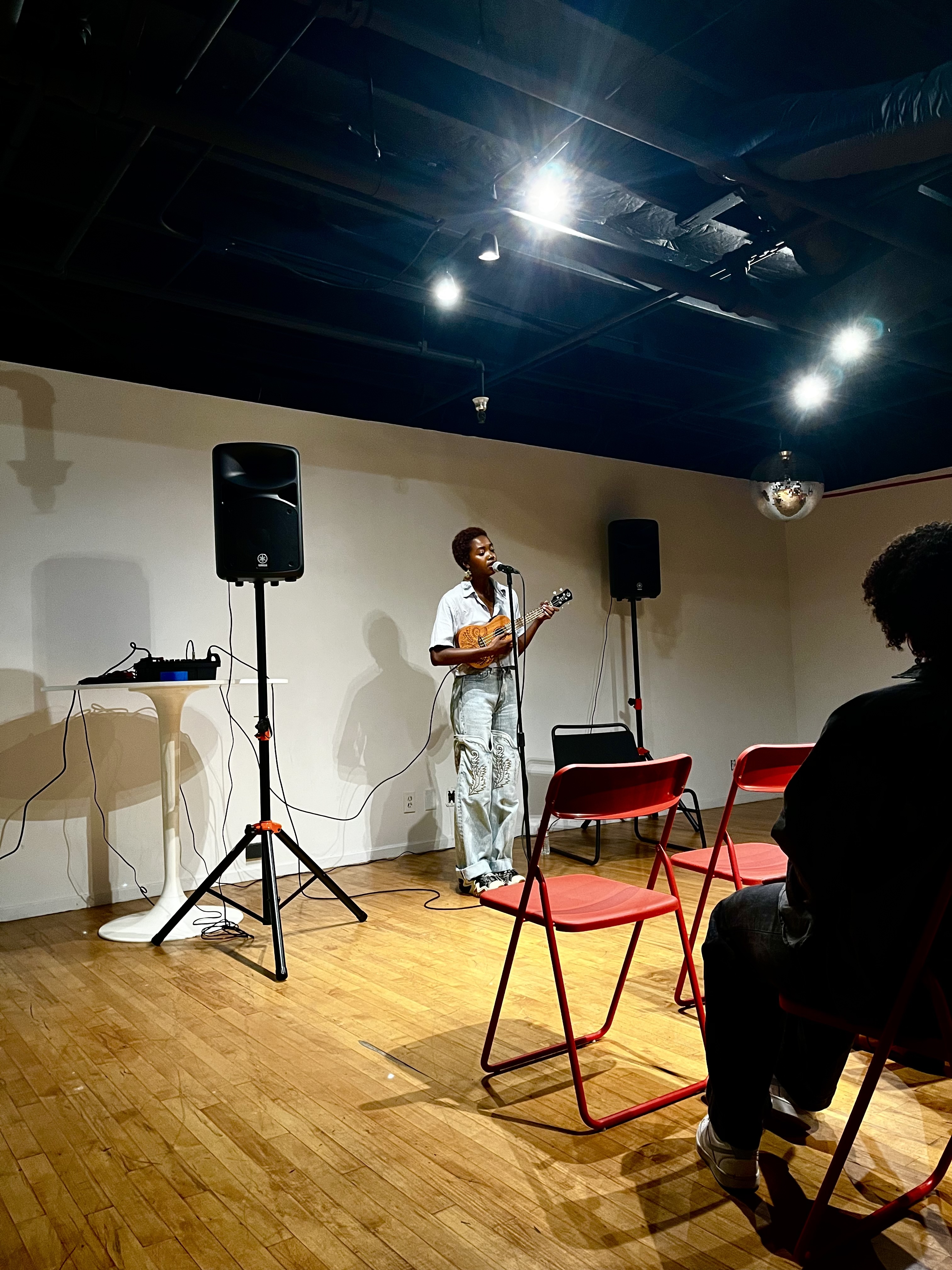
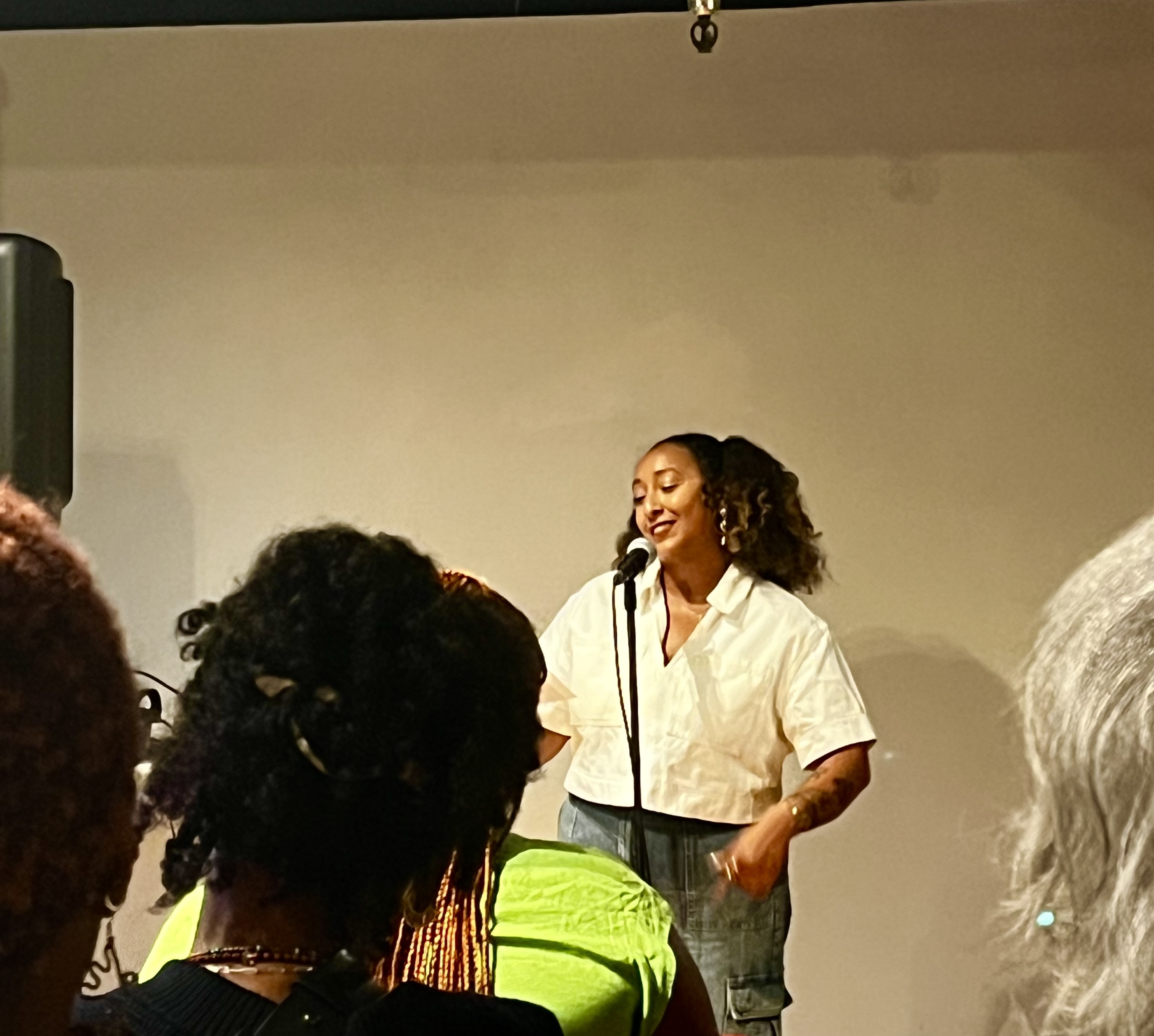
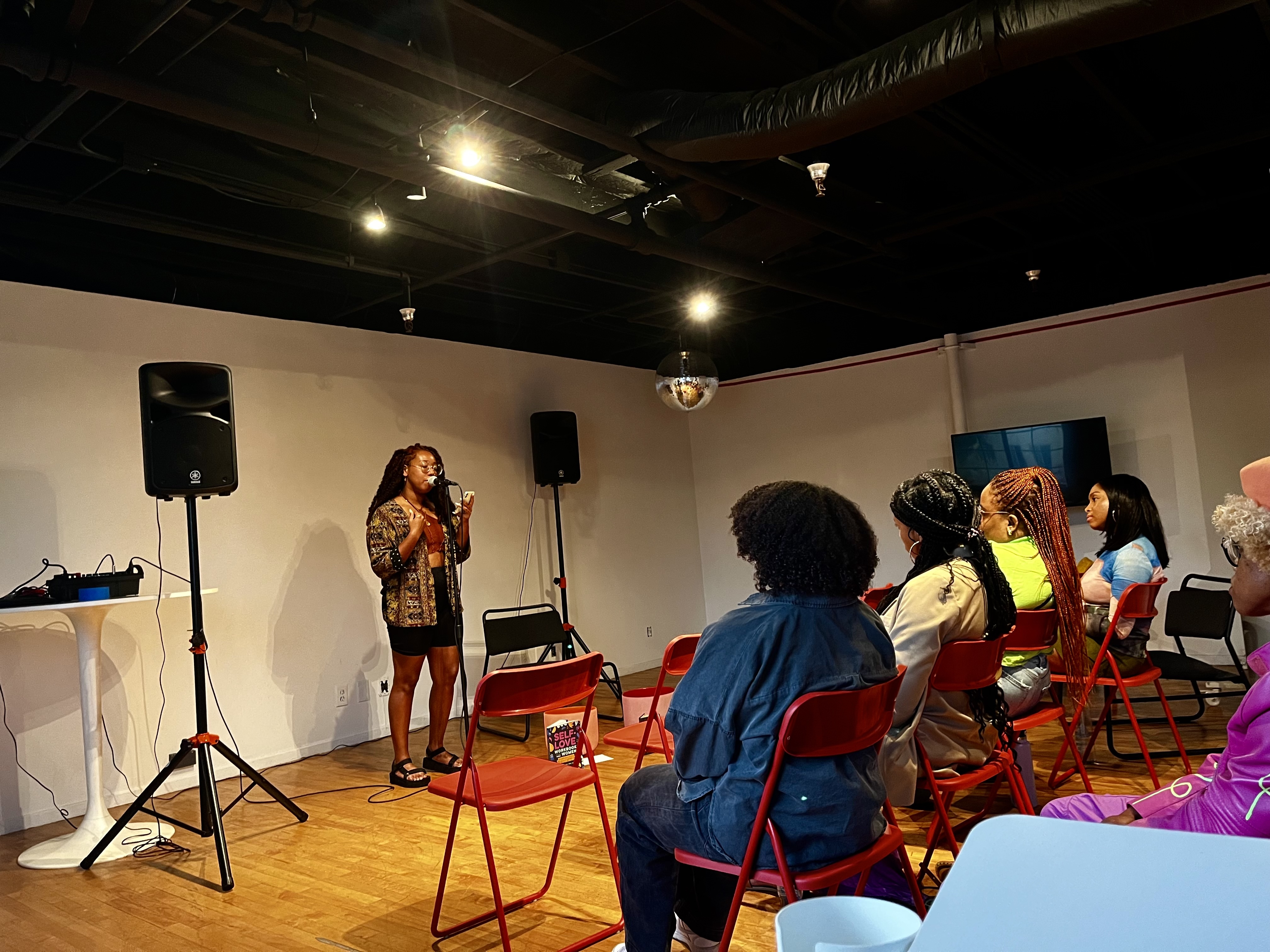
This is where The Hamilton Library begins to reveal its deeper architecture. It sits in the space between a bookstore and a public library, between archive and living room. It is neither strictly commercial nor strictly institutional. Entry fees for certain events help cover transportation and small expenses. Most of the funding has come from modest donations and Jazz’s own patchwork of part-time work.
The dream is larger: a brick-and-mortar space where the books have a permanent home, where events unfold organically and where people can study without the pressure of purchasing anything. But Jazz resists the urge to romanticize the future at the expense of the present.
“I know what I can do right now,” they say. “I can haul the books to the corner once a month and sit with whoever shows up.” That is enough to begin.
The philosophy behind the project is surprisingly replicable. Jazz didn’t wait for institutional backing or perfect funding. They started with what they loved — books — and asked how that passion could intersect with the world they wanted to see. They systematized the collection so it would be navigable. They leaned on their network for space and small grants. They sent funding pitches before they felt fully polished. Action came first; refinement followed.
That ethos extends to the future. Jazz is also a television writer. The writers’ strike in 2023 forced a moment of reflection about what kind of storytelling feeds their soul. Commercial storytelling pays the bills. Community storytelling feeds the conscience.
Wherever Jazz lives, the Hamilton Library will travel with them — physically, digitally or both. There are possibilities in West Virginia, where they have family and where labor organizing history runs deep. There are plans to expand the digital footprint, to publish writing connected to the archive and to invite collaborators into the fold.
The geography may shift. The mission will not.
At a time when information feels contested and institutions feel fragile, The Hamilton Library offers a different blueprint. It asks what happens when preservation isn’t outsourced to the state or the market, but held by neighbors. It treats books not as products, but as living conduits between generations.
And it suggests something both radical and deeply old-fashioned: If the systems you rely on feel unstable, you don’t have to wait for them to fix themselves.
You can build your own shelf.
You can catch The Hamilton Library at their pop-up Book Exchange and Archives Exhibit on Wednesday, February 25 from 6-9 pm at KISO Bar in Downtown Los Angeles.
If you are a community organization or business that would like to partner with The Hamilton Library for a Pop-Up library experience, contact them via email.