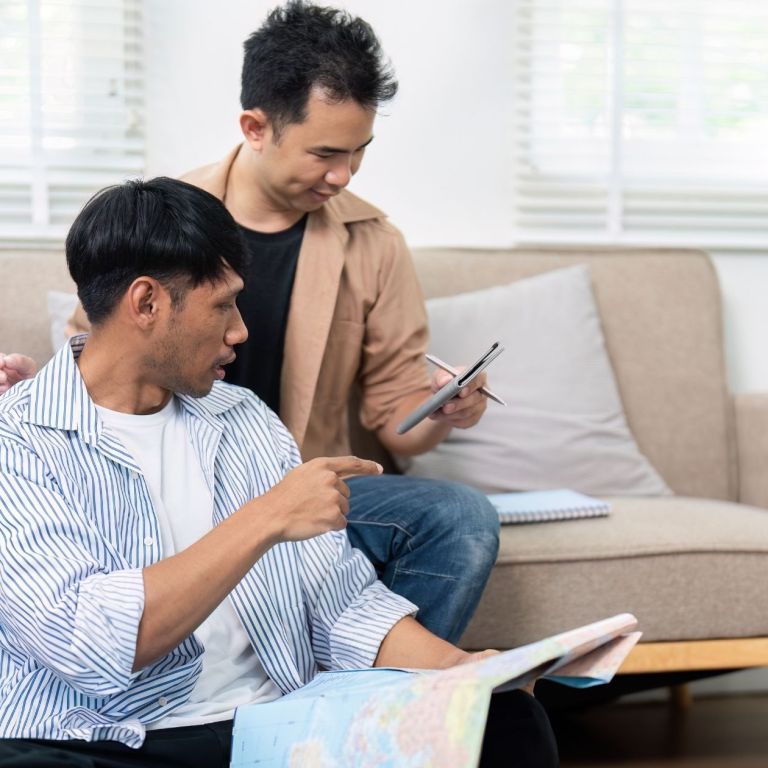

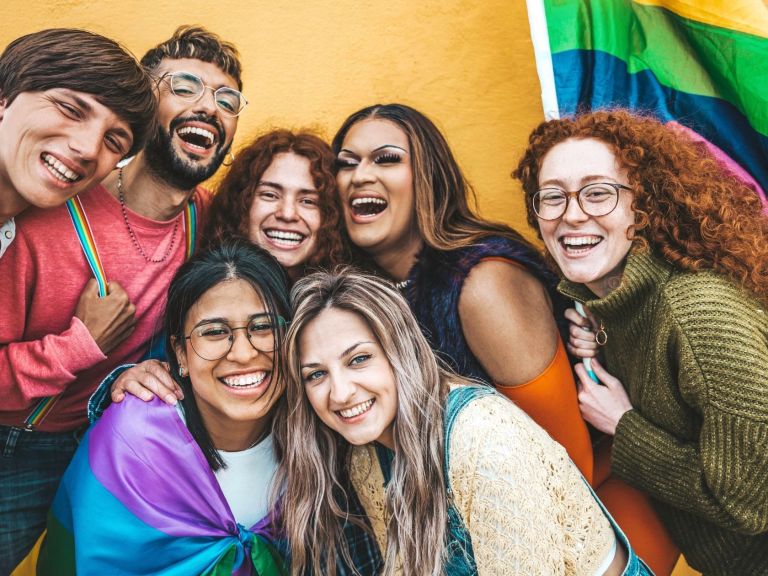
Queer communities have always created what mainstream systems refused to offer: safety, care, opportunity, and belonging. In 2026, that tradition is evolving into something powerful and increasingly visible — queer collectives. These small, intentional groups are pooling skills, resources, money, networks, and labor to create economic opportunities that none of the members could access alone. Whether formal or informal, queer collectives are redefining what economic strength looks like and proving that community wealth-building doesn’t require massive scale to be effective.
Collectives Are Rooted in a Long Queer Economic Tradition
Before “collectives” became a buzzword, queer people relied on community-based structures to survive. House-ball families, queer co-ops, mutual aid networks, activist circles, and shared living spaces all functioned as collectivist economic systems. Today’s queer collectives draw from that legacy while adopting new tools: digital platforms, shared workspaces, group savings systems, and collaborative business models.
These collectives aren’t just social groups — they’re economic engines.
Pooling Resources Reduces Individual Pressure
Many queer professionals don’t have access to traditional safety nets like family wealth, financial assistance, or generational knowledge. Collectives help fill that gap by distributing financial and emotional load.
Resource sharing may include:
- Joint emergency funds
- Shared equipment or tools
- Collective rent or workspace agreements
- Split costs for travel, childcare, or education
- Crowdfunded support during crises
Pooling resources reduces the burden on individuals and increases stability for everyone.
Skill-Sharing Accelerates Professional Growth
A queer collective often functions as a micro–professional ecosystem. Members exchange skills, knowledge, and support that would otherwise cost money or be inaccessible.
Examples include:
- Creatives helping each other refine portfolios
- Entrepreneurs advising one another on business challenges
- Tech professionals sharing coding or design expertise
- Collective salary negotiation practice
- Accountability systems for financial or career goals
This shared intellectual capital strengthens the entire group.
Collective Visibility Leads to Collective Opportunity
When a group of queer professionals signals their presence — online or offline — opportunities start to multiply:
- Group-led workshops
- Shared social media amplification
- Collaborative events or pop-ups
- Partnerships with brands committed to LGBTQ+ inclusion
- Community-led hiring pipelines
Visibility isn’t just about being seen — it’s about being resourced.
Collectives Build Economic Safety Through Community Agreements
Successful queer collectives often have gentle but clear agreements that keep the group functional:
- Shared values
- Transparent communication
- Defined contribution structures (time, money, or both)
- Conflict norms
- Expectations for participation
- Care protocols for members navigating crises
These agreements prevent burnout, confusion, or resentment — and they strengthen trust.
Collectives Turn Small Contributions Into Big Economic Shifts
One person saving $20 isn’t much.
Ten people saving $20 becomes shared capital.
Twenty people sharing skills becomes a self-sustaining ecosystem.
This is the power of collective economics: small, consistent contributions that unlock larger opportunities.
Queer Collectives Model a Different Kind of Wealth-Building
Traditional wealth-building often focuses on individual achievement. Queer collectives challenge that narrative by showing that shared power — shared resources, shared visibility, shared care — creates outcomes that individuals working alone cannot match.
Collectives offer:
- Belonging
- Stability
- Economic mobility
- Creative collaboration
- A sense of shared destiny
This is not just community — it’s strategy.
Small Groups Build Big Futures
Queer collectives demonstrate that economic strength isn’t always about scale or capital. It’s about trust, unity, intention, and the courage to build beyond traditional systems. When queer people come together — pooling resources, sharing skills, and uplifting one another — they create powerful economic ecosystems that can support members for years to come.
Big strength starts with small groups.
And those small groups are reshaping the queer economic future.