
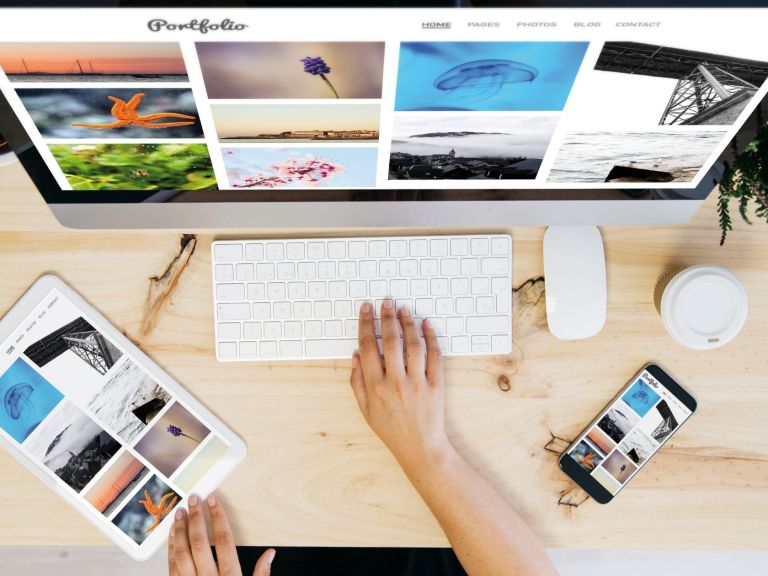
In today’s competitive job market, a strong résumé isn’t always enough. Whether you’re a creative, strategist, technologist, consultant, or hybrid professional, a polished portfolio can be one of the most powerful tools you have to showcase your abilities. For LGBTQ+ professionals especially, a portfolio offers something even more valuable: a chance to present your work in your own voice, without filters or assumptions from gatekeepers. If you want to get noticed — by employers, clients, or collaborators — a compelling portfolio can open doors that a résumé alone cannot.
1. Start With Your Strongest Work, Not Every Project You’ve Ever Done
A high-value portfolio isn’t a digital filing cabinet; it’s a curated experience. Many professionals begin by choosing 5–8 of their most impactful projects, even if they’ve worked on dozens. The goal is to demonstrate depth, not volume.
Strong portfolio pieces often:
- Show measurable impact or clear outcomes
- Demonstrate your unique skills
- Represent the kind of work you want more of
- Reflect your growth and voice as a professional
Less is more — as long as every piece earns its place.
2. Frame Each Project as a Story, Not Just a Deliverable
Employers and clients aren’t just looking at what you created; they’re looking at how you think. For each project, consider including:
- Context: What problem were you solving?
- Your role: What specifically did you contribute?
- Process: How did you approach the challenge?
- Outcome: What impact did the project have?
This narrative style helps people understand your strategic thinking — something especially important when queer professionals are navigating environments where their contributions may have been underestimated.
3. Make Your Identity Part of Your Professional Presence (If You Want To)
Not every LGBTQ+ professional chooses to highlight their identity in their portfolio, and that’s perfectly valid. But for those who do, it can be a way to attract values-aligned employers or clients.
This might look like:
- Including community-related projects
- Sharing mission-driven work
- Incorporating personal values into your “About Me” section
- Highlighting inclusive leadership or DEI work
Your portfolio is a space where you control the narrative — something queer professionals haven’t always been afforded in traditional workplaces.
4. Prioritize Clarity, Accessibility, and Ease of Use
A high-value portfolio is easy to navigate. This includes:
- Clear categories or sections
- Clean, readable design
- Mobile-friendly formatting
- Brief, skimmable descriptions
- Functional links or embedded media
If someone has to work hard to understand your work, they likely won’t.
5. Show Range, But Stay Cohesive
Your portfolio should demonstrate versatility — but within a clear professional identity. Whether you’re a multi-hyphenate creative or a corporate strategist with a side consulting business, aim for cohesion. Ask yourself:
- What connects these pieces?
- What does this portfolio say about how I think?
- What brand or style naturally emerges?
Cohesion helps people trust your vision.
6. Update It Regularly — Even When You’re Not Job Searching
Your portfolio is a living document. Regular updates keep you prepared for last-minute opportunities, which often appear when you least expect them.
For LGBTQ+ professionals, a portfolio isn’t just a showcase — it’s a form of agency. It’s a space where your ideas, skills, and story take center stage. In a world where queer talent has often been overlooked or undervalued, presenting your work clearly and confidently is an act of self-advocacy.
A high-value portfolio doesn’t just help you get noticed — it helps you get chosen for work that aligns with your brilliance.