

For many LGBTQ+ people, financial independence is deeply intertwined with personal freedom. A strong credit profile can open doors to housing, entrepreneurship, travel, and career mobility — all areas where queer communities have historically faced barriers. While every person’s financial journey looks different, understanding how credit scores work can make the path from “good” to “excellent” more accessible.
Why Credit Scores Matter
A credit score is simply a numerical summary of how consistently someone manages borrowed money. Lenders use it to estimate reliability, but it also affects everyday life. Landlords may check credit before approving a lease. Some employers review credit histories for roles related to finance or security. And interest rates on loans often vary based on credit tiers. While a credit score doesn’t measure your worth or potential, it can influence how smoothly you’re able to navigate key milestones.
How Credit Scores Are Generally Calculated
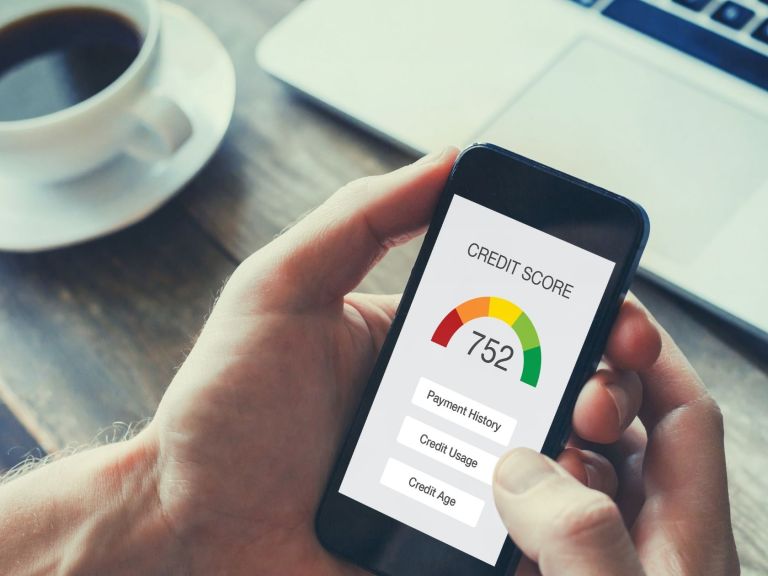
Most credit scoring models consider similar categories:
- Payment history: Whether bills have been paid on time.
- Credit utilization: How much of your available revolving credit is currently being used.
- Length of credit history: The age of your accounts and how long you’ve been using credit.
- Credit mix: The variety of credit types, such as installment loans and revolving credit.
- New credit activity: How often you open or apply for new accounts.
These factors aren’t universal across all models, but they represent the typical pillars used to evaluate credit behavior.
What “Good” and “Excellent” Generally Mean
Credit scores fall into ranges, though the exact cutoffs vary. A “good” score usually reflects consistent financial habits, while an “excellent” score demonstrates long-term stability and strong credit management. While the difference between the categories may seem small, the long-term impact on access and cost of borrowing can be meaningful.
How People Commonly Strengthen Their Scores
Moving from good to excellent often involves reinforcing habits that scoring models interpret as signs of reliability. Some widely discussed strategies include paying bills on time, keeping revolving balances relatively low compared to total available credit, and maintaining older accounts to preserve the length of one’s credit history. Many people also try to avoid taking on multiple new credit inquiries in a short period of time. None of these actions guarantee a specific outcome, but they are general behaviors that tend to align with strong credit performance over time.
Why This Matters for LGBTQ+ People
Credit can play a unique role in queer economic mobility. Many LGBTQ+ individuals are first-generation wealth builders, navigating financial systems without intergenerational financial support. Credit strength can help with renting apartments in affirming neighborhoods, financing moves away from unsafe environments, or building businesses that serve community needs. A strong credit score becomes more than a number — it becomes a tool for self-determination.
Long-Term Mindset Over Quick Fixes
There is no instant way to transform a credit score. Instead, scores usually rise as consistent behaviors accumulate and older negative information fades with time. Approaching credit as a long-term relationship — not a short-term project — helps keep the focus on habits rather than outcomes.
Financial Resilience as an Act of Pride
Building excellent credit is not about perfection. It’s about stability, access, and the freedom to shape your life without financial barriers. For LGBTQ+ communities, especially those working to create safety and opportunity for themselves, a strong credit score can become another form of resilience — a quiet but powerful affirmation of possibility.