
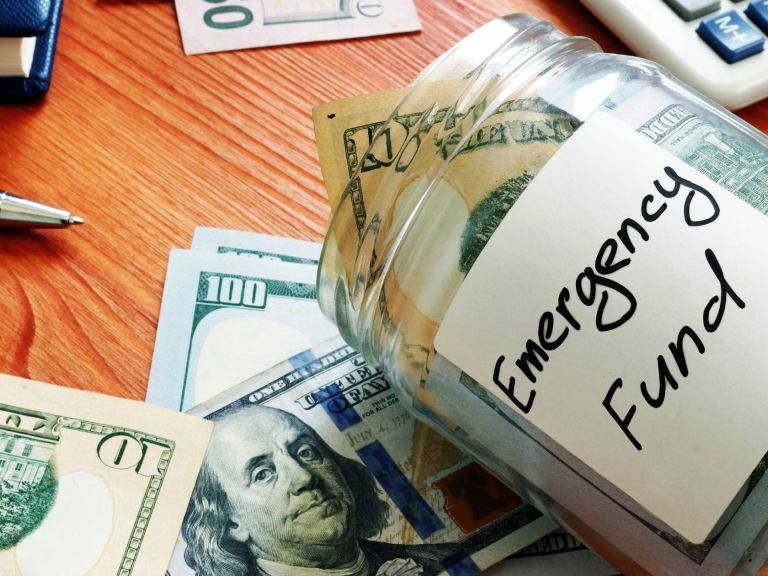
For many LGBTQ+ millennials, financial security is closely tied to autonomy. Building a financial cushion isn’t only about preparing for emergencies — it’s about creating space to make decisions that honor your wellbeing, identity, and long-term goals. While there’s no one-size-fits-all blueprint, a 12-month emergency fund is one approach that offers extended stability for people who want a wider financial runway. Here’s a general framework for understanding how this type of safety net works and how someone might begin building it.
Why Some People Choose 12 Months Instead of 3–6
A common guideline in financial education is to save three to six months of essential expenses. That range can be helpful, but it doesn’t always account for income instability or life paths that don’t match traditional employment patterns. Some people experience longer gaps between jobs, seasonal downturns in work, or need more time to make thoughtful decisions during major transitions. A 12-month fund simply provides greater breathing room, allowing someone to weather uncertainty without rushing into the next opportunity out of financial pressure.
Who a 12-Month Fund Especially Supports
A larger emergency fund can be particularly meaningful for people whose income varies month to month. Entrepreneurs, freelancers, independent contractors, gig workers, and creators often navigate irregular pay cycles, fluctuating demand, and periods where new projects take time to materialize. A yearlong cushion can help smooth those variations and reduce stress during slower stretches. It can also support people working in industries with unpredictable hiring timelines or those who are building businesses that require long lead times before revenue becomes consistent.
Understanding the Purpose of an Emergency Fund
At its core, an emergency fund is money set aside for essential expenses during moments of disruption. Its purpose is to help cover non-negotiable costs — housing, food, utilities, transportation, and other baseline obligations — when life shifts unexpectedly. Having this type of buffer isn’t about expecting the worst; it’s about creating space to navigate the unexpected with steadiness and clarity.
Defining What “12 Months” Means for You
A 12-month emergency fund is based on what you consider essential to maintain your life and responsibilities. The figure will be different for everyone, and the goal is simply to understand your baseline needs. That awareness helps you set a target that feels realistic and aligned with your life.
Building the Fund Through Milestones
A year of expenses can feel overwhelming when viewed as one large goal. Breaking it into smaller checkpoints — such as one month, then three months, then six — can make the process more approachable. Each milestone represents an increase in resilience, offering incremental peace of mind as the fund grows.
Keeping the Fund Accessible but Separate
Emergency funds are typically held somewhere stable and easily reachable when needed. Many people choose to keep these savings separate from everyday spending to avoid accidental use. The key principle is ensuring the funds remain available for true emergencies.
Protecting the Fund’s Purpose
Defining what counts as an emergency helps keep the fund intact. Essential expenses and unexpected events generally fit the purpose; everyday purchases or lifestyle upgrades typically do not.
Celebrating Progress as You Build
Constructing a 12-month emergency fund is a long-term journey. For LGBTQ+ millennials charting independent and community-centered paths, each milestone represents not only preparedness but empowerment — a financial foundation that supports choice, dignity, and possibility.